
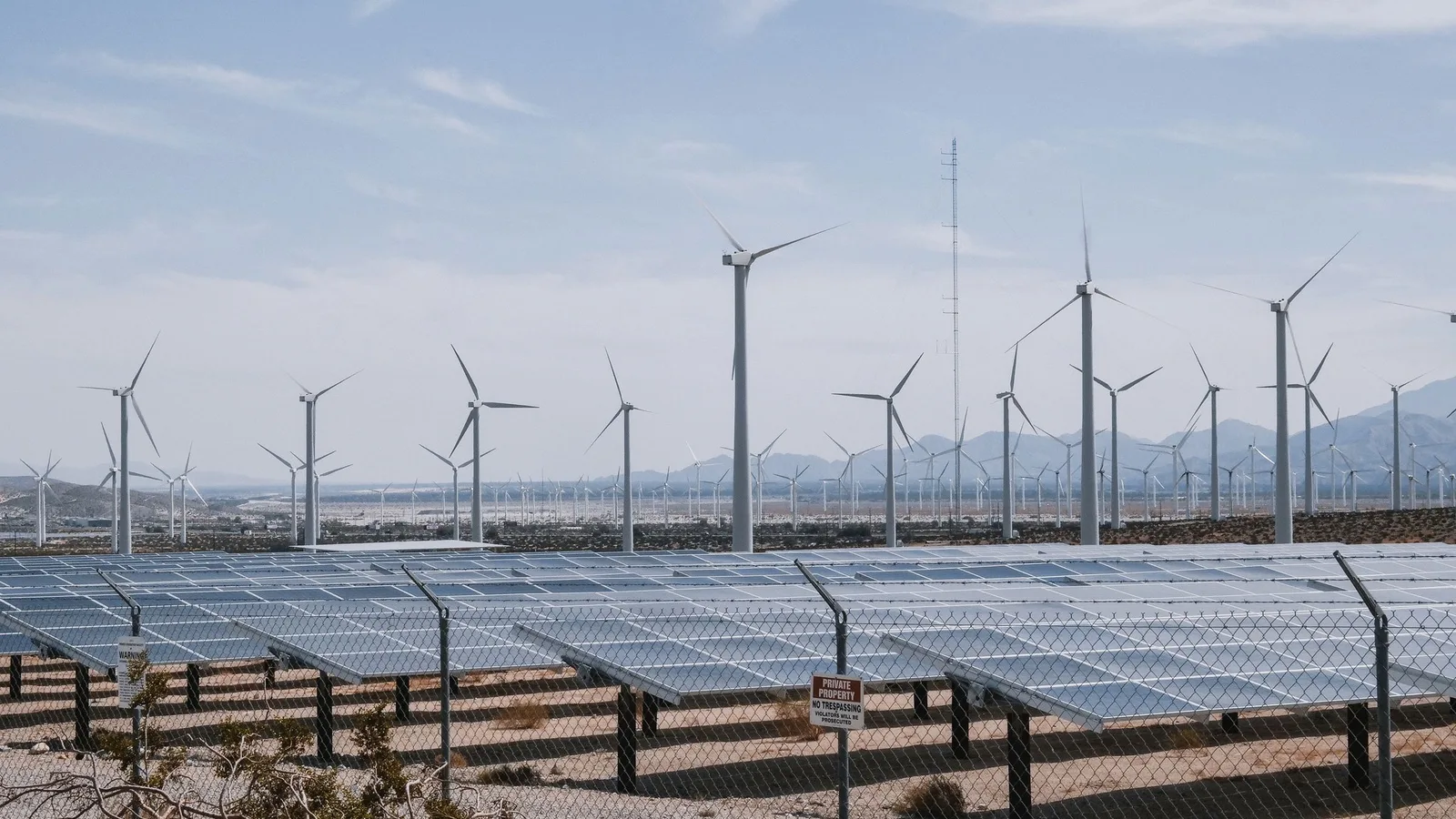
The Sustainable Development Goals (SDGs) are the 17 global goals at the heart of the United Nations' 2030 Agenda. According to the UN, the Agenda was adopted by leaders meeting at UN Headquarters in New York on 25-27 September 2015; the 17 goals are linked to 169 targets and are described as integrated and indivisible. They apply to all countries, not only to developing ones.
Progress is behind schedule. According to the UN's Sustainable Development Goals Report published in July 2026, of the 139 targets with sufficient trend data only 15 per cent are on track and 21 per cent show moderate progress, while 15 per cent have slipped below their 2015 baseline.
In short:
- The SDGs are a measurement framework of 17 goals, 169 targets and 234 unique indicators (UN).
- For companies, the most direct link is target 12.6, which encourages companies to report sustainability information.
- A company's job is not to claim a contribution to all 17 goals, but to select and measure the few it affects most.
What are the Sustainable Development Goals and when were they adopted?
The SDGs sit at the centre of "Transforming our world: the 2030 Agenda for Sustainable Development", adopted in 2015 with 2030 as the target year. The Agenda describes the goals as universal: poverty, education or climate are addressed in every country, but the goals are interconnected. Progress on the energy goal, for example, directly affects the climate goal, and progress on education affects decent work.
What are the 17 SDGs?
Short names based on the UN goal titles:
- No poverty
- Zero hunger
- Good health and well-being
- Quality education
- Gender equality
- Clean water and sanitation
- Affordable and clean energy
- Decent work and economic growth
- Industry, innovation and infrastructure
- Reduced inequalities
- Sustainable cities and communities
- Responsible consumption and production
- Climate action
- Life below water
- Life on land
- Peace, justice and strong institutions
- Partnerships for the goals
The number of targets varies by goal. According to the UN goals page, Goal 17 (means of implementation and the global partnership) has the most with 19, while Goal 7 (energy) and Goal 13 (climate) have the fewest with 5 each.
What are the SDG indicators and how are they measured?
Each target is tracked by one or more indicators. According to the UN Statistics Division, the global indicator framework contains 234 unique indicators; because some indicators repeat under more than one target, the total listed is 251. The framework is reviewed every year by the UN Statistical Commission, most recently at its 57th session in March 2026.
Indicators are compiled at country level by national statistical offices. Companies are not expected to report them as they are, but the indicator logic is useful for business too: for each goal, ask "what are we measuring, in which unit, against which baseline year?"
How much progress has been made on the SDGs?
The UN's 2026 report takes stock of a decade of monitoring. A reliable trend could be computed for 139 of the 169 targets. Of these:
- 15 per cent are on track or the target has been met,
- 21 per cent show moderate progress, so 36 per cent in total show adequate progress,
- nearly half (49 per cent) are moving too slowly or not at all,
- 15 per cent have regressed below their 2015 baseline.
According to the report, ten years of monitoring have built an unprecedented evidence base; the gains are meaningful, but uneven and insufficient.
What do the Sustainable Development Goals mean for companies?
Although the SDGs are a government agenda, one target refers directly to companies. Target 6 of Goal 12 encourages companies, especially large and transnational ones, to adopt sustainable practices and integrate sustainability information into their reporting cycle. Its indicator (12.6.1) is the number of companies publishing sustainability reports.
According to the UN's 2025 progress note, sustainability reporting has become standard for large companies: 96 per cent of the world's 250 largest companies by revenue and 79 per cent of the top 100 companies in each country surveyed now report on sustainability. The same note says the number of sustainability reports grew fourfold between 2016 and 2023.
One of the most widely used guides for linking the SDGs to strategy is the SDG Compass, published in 2015 by the Global Reporting Initiative (GRI), the UN Global Compact and the World Business Council for Sustainable Development (WBCSD). It proposes five steps:
- Understanding the SDGs
- Defining priorities
- Goal setting
- Integrating sustainability
- Reporting
How should a company work with the SDGs?
The following is a checklist that interprets the SDG Compass steps for a mid-sized or large company in Türkiye; it is not a sourced standard:
- Map your impact: Where in the value chain is your impact greatest? For a manufacturer this is often 7 (energy), 12 (responsible production) and 13 (climate); for a services company it may be 4 (education), 5 (gender equality) and 8 (decent work).
- Choose a few goals: Claiming a contribution to all 17 weakens credibility. Three to five goals with measurable targets mean more.
- Set an indicator for each goal: Start with data the company already collects or can collect, such as energy use, greenhouse gas emissions, accident rate or training hours. For climate measurement, see how to calculate a corporate carbon footprint.
- Connect to a reporting framework: An SDG mapping is not a report on its own; it provides context inside the ESG report. For the framework, see what is ESG.
Conclusion: what do the SDGs give a company?
The Sustainable Development Goals are a shared language of 17 goals and 169 targets adopted in 2015; according to the UN's 2026 report, only 36 per cent of the measurable targets show adequate progress. Their value for companies lies in describing and measuring their own impact in this shared language. A practical start is to pick the few goals most affected, set one measurable indicator for each and record the baseline year.
"Sustainable Development Goals (SDGs)" is part of Orient Global's corporate training catalogue; details are on the sustainability page.
This article is for general information only. Goal names are shortened; the UN texts prevail.
#interimmanagement #forwarddeployedengineering #sdgs #sustainabledevelopmentgoals #sustainability